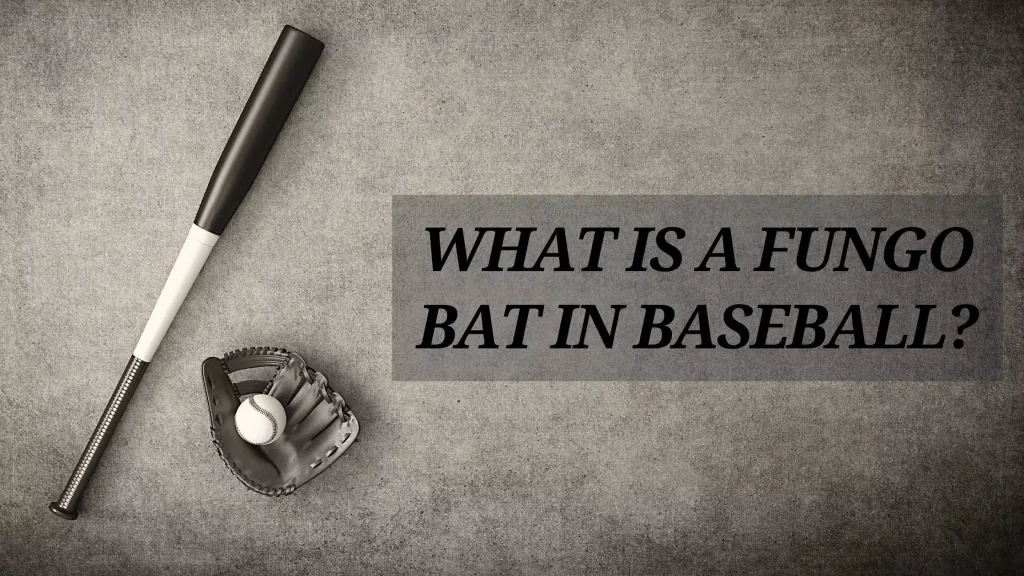
In baseball and softball, a fungo bat is an essential tool for coaches. Its design makes it perfect for hitting practice balls to players without swinging a heavy, traditional bat. Whether you’re an experienced coach or a player, understanding the Fungo bat can help improve your practice sessions, enhance fielding drills, and prevent arm fatigue.
In this blog post, we’ll cover everything you need to know about fungo bats, including what they are, why they’re used, and how to choose the right one for your needs.
What Is a Fungo Bat?
A fungo bat is a unique baseball bat used during practice, mainly for hitting balls to players in the infield or outfield. The key differences between a fungo bat and a regular bat are its size, weight, and shape. Fungo bats are typically:
- Lighter: They weigh 18-22 ounces, making them easier to swing than regular bats.
- Longer: Fungo bats are usually between 32-36 inches long, giving coaches more reach and control.
- Thinner Barrel: The barrel is narrower, typically about 2¼ inches in diameter, allowing for more precise hits to specific spots.
Because of these features, fungo bats are not used in games. They are designed solely for practice, helping coaches hit various balls to fielders with accuracy and without tiring themselves out.
When Were Fungo Bats Created?
The exact origin of the fungo bat is unclear, but it has been a part of baseball for over a century. Some of the earliest records go back to the late 1800s, when Harry Wright, the manager of the Cincinnati Reds, started using a lightweight bat to hit fly balls and grounders to his players during practice. This allowed his team to work on their fielding without wasting time chasing after every hit ball.
Since then, fungo bats have become essential in baseball and softball training, helping coaches run efficient fielding drills for professional and amateur players.
What Are Fungo Bats Used For?
The primary use of a fungo bat is to hit balls to players during practice. Coaches use them for different types of drills, such as:
- Fielding Ground Balls: Fungo bats help coaches hit precise ground balls to infielders, allowing players to practice their fielding, positioning, and footwork.
- Hitting Fly Balls: Coaches use fungo bats to hit pop-ups and fly balls to outfielders, helping them work on catching high balls and tracking them in the air.
- Practicing Specific Situations: Fungo bats can practice specific situations, such as double plays, turning a fastball, or improving throwing accuracy by placing the ball in certain spots.
Because fungo bats are lightweight and long, they allow coaches to make quick swings, hit more balls, and keep the practice session moving without getting tired.
Why Do Coaches Use a Fungo Bat?
There are several reasons why fungo bats are a popular tool for baseball coaches:
- Control and Accuracy: A Fungo bat’s lightweight and smaller barrel makes it easier for coaches to hit the ball at specific spots on the field. This is important for teaching players how to react to different hits.
- Reduced Fatigue: Regular baseball bats are heavier and require more effort to swing, especially during long practice sessions. Fungo bats are lighter, allowing coaches to hit more balls without tiring their arms, making practice more efficient.
- Increased Efficiency: Because fungo bats offer more control, coaches can focus on specific drills and get more repetitions in less time, helping players improve their skills faster.
- Versatility: Fungo bats can be used in various drills for infielders and outfielders. Coaches can use them to practice ground balls, fly balls, and even short throws to first base.
Why Are Fungo Bats So Good?
Fungo bats have several advantages that make them an essential tool for baseball coaches:
- Lightweight Design: Their lighter weight puts less strain on the coach’s arm, allowing longer practice sessions without tiring out.
- More Precision: The smaller barrel and lighter weight give coaches better control, making it easier to hit balls to specific spots on the field.
- Durability: High-quality Fungo bats are built to last, even with regular use, making them a wise investment for any coach.
- Increased Speed of Practice: Coaches can quickly move between drills and hit multiple balls, allowing for more repetitions and better player development.
What Are the Different Types of Fungo Bats?
There are different styles of fungo bats, each designed to meet specific coaching needs:
- Coach’s Fungo: This is the most common type. It’s light, well-balanced, and easy to control. The handle flares out to prevent slipping, and the end is typically smooth and rounded.
- Pro Fungo: The Pro Fungo has a traditional knob at the end of the handle. It’s often preferred by more traditional coaches or those with larger hands who need extra grip.
- Infield Fungo: This heavier and thicker bat is designed for hitting hard, low-ground balls. It’s ideal for practicing defensive skills in the infield but not as suitable for outfield drills.
What Is the Proper Length and Weight for a Fungo Bat?
Choosing the right length and weight for your fungo bat depends on your preference and coaching role. The most common length for a fungo bat is 34 inches, but they can range from 32 to 36 inches. As for weight, most fungo bats weigh between 18 and 22 ounces.
- Lighter Bats: These are better for coaches who need to hit many balls in a session without tiring out their arms.
- Heavier Bats: These offer more power when hitting grounders and are usually preferred by coaches working with advanced players or coaching softball, where the ball is often hit harder.
Should You Tape a Fungo Bat?
Taping the handle of a fungo bat is optional, but many coaches choose to do it. Taping provides extra grip, making the bat easier to control, especially during long practice sessions. Some coaches prefer tape because it gives a more secure grip than a smooth handle, while others use cushioned grip wraps, like Lizard Skin, for added comfort.
FAQs About Fungo Bats
Here are answers to some frequently asked questions.
Are Fungo Bats Legal for Use in Games?
Fungo bats are not meant for use in actual games. Their lightweight design and smaller barrel make them unsuitable for hitting pitched balls at game speeds. They are made specifically for practice and training.
How Do You Hit a Fungo Like a Pro?
To hit a fungo like a pro, focus on using your wrists and forearms rather than your whole body. The goal is to control where the ball goes, not to hit it with maximum power. Practice your technique by hitting grounders, fly balls, and pop-ups to different spots on the field.
Can Fungo Bats Be Customized?
Many fungo bats can be customized with different colors, engravings, and logos. This is a great way to personalize the bat or create a unique team bat for your coaching staff.
Conclusion
Fungo bats are essential tools for any baseball or softball coach. Their lightweight design makes them perfect for hitting precise ground balls, fly balls, and pop-ups during practice. Whether you’re coaching a professional team or a youth league, investing in a good fungo bat will help improve your players’ fielding skills and make your practice sessions more effective and efficient.
So, the next time you’re getting ready for practice, don’t forget to grab your fungo bat! It’s a small investment that pays off with better fielding, faster drills, and less strain on your arms.