Running a marathon starts with the right shoes. The right pair can change your run. It can make your legs feel strong. It can help you run faster and stay comfortable. But the wrong shoes can slow you down. They can cause pain or injury.
Marathon running shoes are not all the same. Some are built for speed. Others focus on comfort. Some fit most runners. Others fit only certain foot types. Choosing the best pair can feel confusing. But it doesn’t have to be.
In this guide, you will see the top marathon running shoes in 2026. These shoes are highly rated and best-sellers on Amazon. They work for race day, long training runs, and everyday use. We break them down so you can pick the perfect pair for your goals.
Whether you want to run your first marathon or set a new personal best, this list will help you. Let’s find your next marathon shoe.
How to Choose the Right Marathon Running Shoe
Choosing marathon shoes can feel overwhelming. But once you know what matters, it gets easier. Here are the key factors to focus on when picking the right pair.
1. Cushioning and Comfort
Marathons put your feet through long hours of running. Shoes need good cushioning to absorb impact. Look for shoes with soft yet responsive midsole foam. This helps reduce stress on your knees and joints. Too soft can slow you down. Too firm can make long runs uncomfortable. Find the balance that suits your pace and body weight.
2. Weight and Efficiency
Lighter shoes help you waste less energy over 26.2 miles. Most marathon shoes weigh between 7–11 oz (200–310g). Lighter models feel faster. But very light shoes may sacrifice support or cushioning. Choose based on your goal: race speed or training comfort.
3. Fit and Foot Shape
Correct fit matters most. Your toe box should have a thumb’s width of space so toes don’t hit the front during long runs. The shoe should feel snug around the midfoot and heel, but not tight. Try on both shoes and walk or jog in them if possible. Feet swell during runs, so make sure there’s room even after long miles.
For runners with flat arches or wide feet, our Best Running Shoes for Flat Feet (2026) post offers tailored picks.
4. Foot Type & Pronation
Understand your foot type and how your foot lands:
- Neutral: Standard cushioning works well.
- Overpronation: Shoes with stability features help control inward roll.
- Underpronation: Neutral shoes with extra cushioning can reduce stress.
5. Heel-to-Toe Drop
Heel-to-toe drop affects your stride. A higher drop (8–12mm) cushions heel strikers. A lower drop (4–6mm) suits runners who land midfoot or forefoot. Choose a drop similar to what you train in to avoid injury.
6. Upper and Breathability
The upper should be breathable and snug but not tight. Mesh designs help air flow. Gusseted tongues prevent slipping and reduce friction. Comfort here prevents blisters and irritation on race day.
7. Shoe Rotation and Training Use
Some runners use more than one pair. One for long training runs. One for race day. Training shoes may be more cushioned and durable. Race day shoes may be lighter with advanced foams or plates. Having a rotation lets your legs recover and adapt.
Best Marathon Running Shoes of 2026 – Quick Comparison Table
| Shoe Model | Best For | Cushioning Level | Weight (Approx.) | Heel-to-Toe Drop | Shoe Type | Why It Stands Out |
| Nike Alphafly 3 | Elite runners, PR chasers | High (Responsive) | ~7.1–7.8 oz | 8 mm | Race (Carbon Plate) | Maximum energy return, elite race-day speed |
| Saucony Endorphin Pro 4 | Fast marathon racing | Medium–High | ~7.5 oz | 8 mm | Race (Carbon Plate) | Smooth SPEEDROLL ride with forgiving feel |
| Nike Pegasus 41 | Beginners, daily training | Medium | ~9.5–10 oz | 10 mm | Daily Trainer | Versatile, stable, great for marathon prep |
| New Balance FuelCell Rebel v5 | Budget runners, beginners | Medium (Springy) | ~7.9–8.5 oz | 6 mm | Lightweight Trainer | Fun, responsive feel without high price |
| Nike Vomero Plus | Comfort-focused runners | Very High (Plush) | ~10–11 oz | 10 mm | Cushioned Trainer | Soft landings, excellent for long slow runs |
| ASICS Superblast 2 | High-mileage training | High (Protective) | ~8.9–9.2 oz | 8 mm | Long-Run Trainer | Stable, cushioned, still responsive |
| Brooks Ghost 17 | Everyday & long runs | Medium–High | ~10.1 oz | 12 mm | Neutral Trainer | Amazon bestseller, reliable all-rounder |
Best Overall Race Shoes (Super Shoes)
1. Nike Alphafly 3
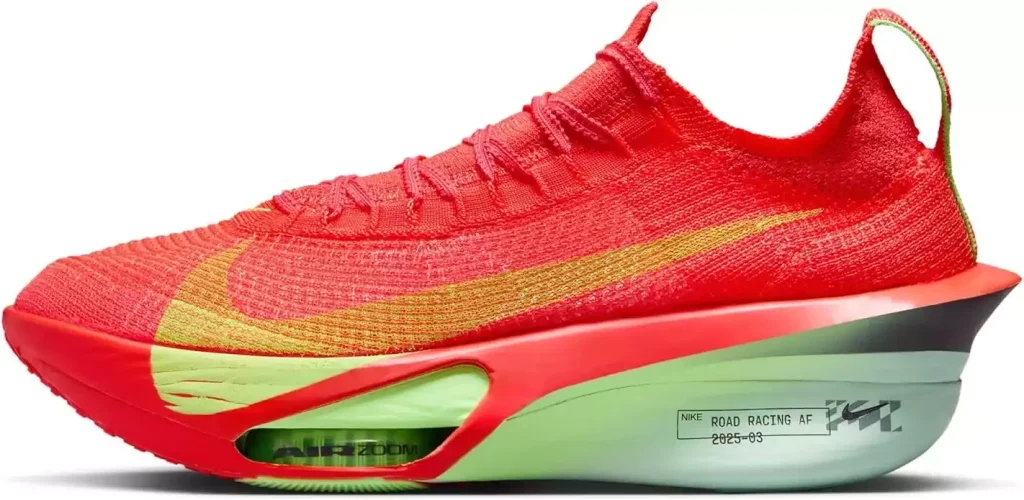
The Nike Alphafly 3 sits at the top of marathon-race performance shoes. It blends elite technology with comfort to help you push for fast marathon times. Nike made it lighter and more balanced than earlier Alphafly models, while still using premium cushioning and propulsion systems that work on race day or fast long runs.
Key Features:
- Carbon Fiber Plate + ZoomX Foam: A full-length carbon plate combines with Nike’s ZoomX foam to deliver superb energy return and efficiency over long distances.
- Atomknit Upper: The lightweight Atomknit upper breathes well and keeps your feet cool, reducing hotspots on long efforts.
- Shock Absorption: Taller midsole stack provides excellent shock absorption, helping keep your muscles fresher deeper into the race.
- Optimal Drop & Lightweight Feel: With an 8 mm drop and featherlight construction (~7.1–7.8 oz for men), it’s tuned specifically for efficient race pacing.
Why It’s Great:
This shoe offers world-class propulsion and bounce while still feeling stable under you. It’s ideal for runners targeting personal bests, sub-3 finishes, or competitive marathon times. While very high-performance shoes can feel different from everyday trainers, Alphafly 3 is designed to help you maintain strong form throughout every stage of a marathon.
2. Saucony Endorphin Pro 4
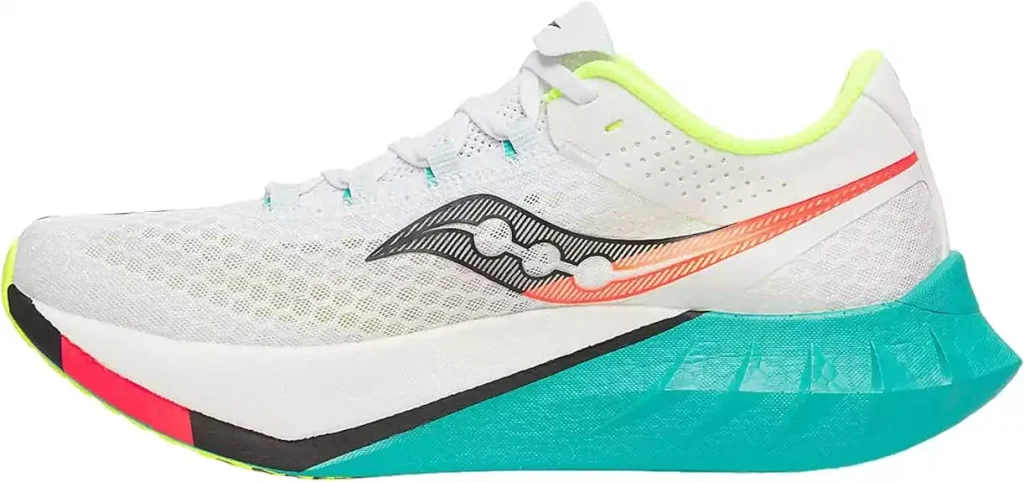
The Saucony Endorphin Pro 4 delivers a smooth, lively ride that still feels comfortable mile after mile. It uses Saucony’s signature SPEEDROLL technology and dual-foam system to create a rolling forward sensation. This shoe blends high-end speed with forgiving cushioning — a mix that works well for fast marathon races and long training runs.
Key Features:
- PWRRUN PB + PWRRUN HG Midsole: These two foams create a balance between springy responsiveness and steady comfort.
- Full-Length Carbon Plate: The carbon plate ensures stiffness for energy return while promoting efficient stride mechanics.
- SPEEDROLL Technology: This rocker design helps you transition smoothly from heel to toe, keeping cadence up and fatigue down.
- Breathable Upper: Engineered mesh offers airflow and keeps your feet cool on long distance efforts.
Why It’s Great:
The Endorphin Pro 4 is slightly more forgiving and versatile than ultra-aggressive super shoes. It still delivers race-ready propulsion but feels more approachable for many runners, including those who prefer a smooth feel over full-on stiffness. It’s perfect if you want a shoe that can race hard and handle long marathon training runs.
Best Marathon Shoes for Beginners & Everyday Runners
3. Nike Pegasus 41
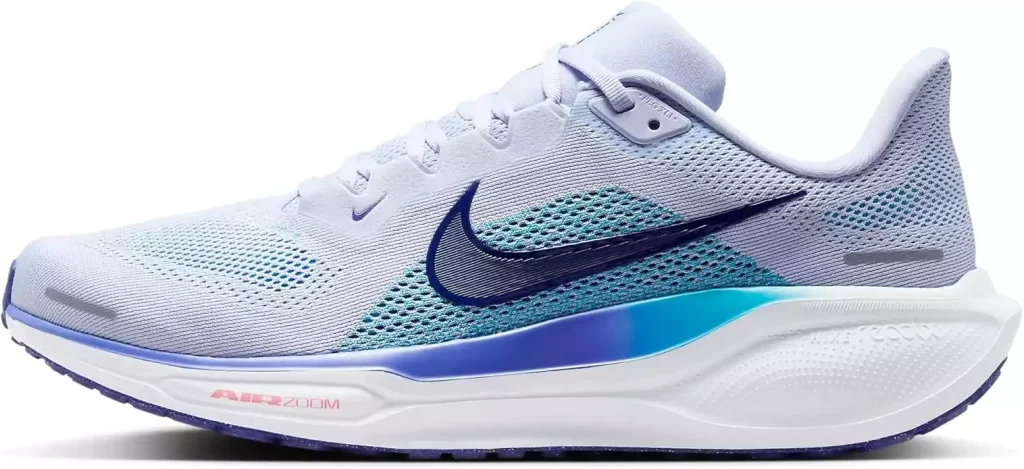
The Nike Pegasus 41 is a time-tested daily trainer that works great for runners just getting into marathons and those who log regular miles. It blends dependable cushioning with a stable feel, making it easy to run in whether you’re heading out for recovery runs or building up your marathon mileage. This shoe isn’t built like an elite racer, but its comfort and versatility make it a favorite among beginners and regular runners alike.
Key Features:
- ReactX Foam Midsole: Provides balanced cushioning with responsive energy return. It’s softer and more reactive than older Pegasus midsoles, so you get good comfort without feeling mushy.
- Dual Air Zoom Units: Adds a springy feel under your heel and forefoot that keeps your stride smooth and lively during everyday runs.
- Engineered Mesh Upper: Breathable and flexible, it adapts to your foot and keeps air flowing on long runs.
- Rubber Outsole with Waffle Pattern: Gives reliable traction on roads and paved surfaces.
- 10 mm Heel-to-Toe Drop: A classic runner’s drop that helps many new runners feel stable and confident.
Why It’s Great:
The Pegasus 41 shines as a daily trainer. It feels comfortable from the first step and handles a variety of paces, from easy recovery runs to tempo workouts. It’s durable and reliable enough to carry you through long marathon training days without leaning too heavy on race-day performance metrics. While its cushioning is not ultra-plush, it strikes the right balance for beginners who want comfort + versatility.
4. New Balance FuelCell Rebel v5
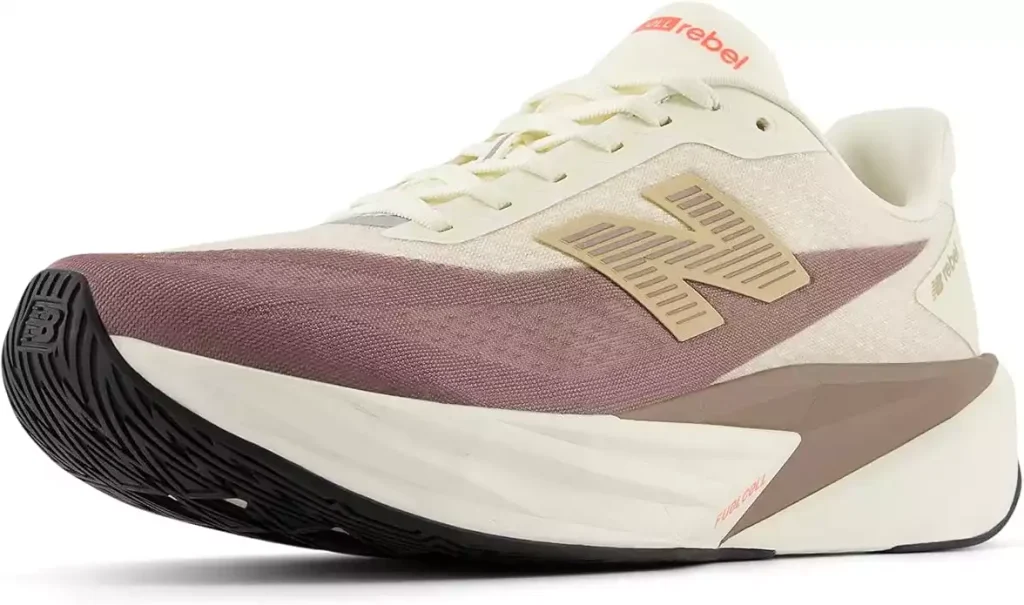
The New Balance FuelCell Rebel v5 is a lightweight, lively running shoe that gives you a fun and responsive feel on the road. Its cushioning setup and midsole geometry make steady daily runs feel effortless, and many runners like how it encourages a smooth forward stride. While it’s not a super-fast carbon-plated racer, it’s a strong everyday option for beginner marathoners or runners who want comfort with a bit of pep.
Key Features:
- FuelCell Midsole Foam: Uses a PEBA/EVA blend to deliver soft cushioning with a springy feel that keeps you moving forward.
- Lightweight Engineered Mesh Upper: Breathable and secure, this upper helps keep feet cool on long runs and offers a snug fit without feeling restrictive.
- Wide Midfoot & Stable Platform: The design makes the shoe feel balanced underfoot, helpful for runners looking for steady, everyday runs.
- 6 mm Heel-to-Toe Drop: Encourages smooth transitions and natural foot movement.
- Adequate Outsole Rubber: Offers good road grip and durability even if you log high weekly mileage.
Why It’s Great:
The Rebel v5 stands out for its lightweight and lively feel. It delivers a balanced mix of comfort and responsiveness that makes everyday running feel easier. Many runners enjoy how it handles easy runs, steady long runs, and moderately paced workouts, all without feeling bulky or slow.
Best Comfortable and Cushioned Options
5. Nike Vomero Plus
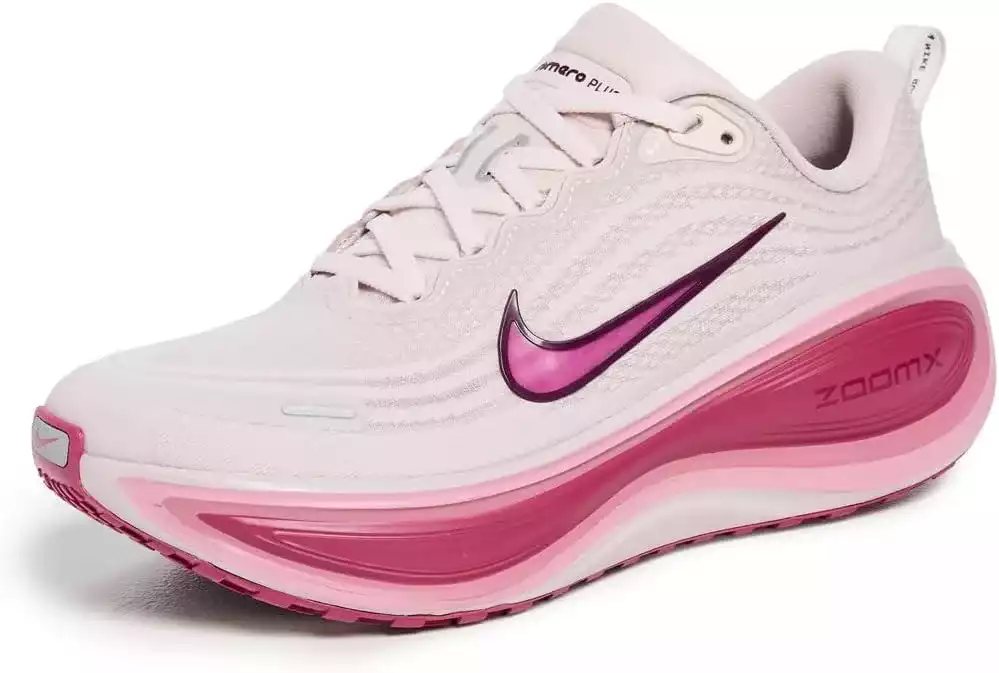
The Nike Vomero Plus is a plush cushioned running shoe built for comfort over long distances. It uses a high-stack ZoomX foam midsole that delivers soft landings and lively rebound with every step, ideal for marathon training runs, long slow distance workouts, and easy recovery days. Runners who want plush underfoot feel without the aggressive race shoe stiffness will love the ride.
Key Features:
- Full-Length ZoomX Cushioning: Features a ZoomX foam midsole that’s tall and soft. This foam soaks up impact on long miles and gives a bouncy, energetic feel without weighing you down.
- High Stack-Height Comfort: A generous foam stack means impact forces are reduced dramatically, perfect if you want to protect your legs on long runs.
- Stable Base: Despite the tall foam, a wide midsole platform and solid sidewalls help keep your footing secure on straight and rolling terrain.
- Breathable Upper & Secure Fit: Lightweight mesh upper keeps airflow moving and wraps the foot in a soft, comfortable hold.
- Durable Outsole: Full rubber coverage means this shoe stands up well against high-mileage road training.
Why It’s Great:
Vomero Plus shines in comfort and protection. Its cushioning absorbs shock well, helping tired legs stay fresh over miles. Even experienced runners enjoy how it handles moderate uptempo work because its ZoomX foam returns energy with a springy feel. It’s also ideal for newer marathoners or runners who prefer a plush ride instead of sharp racing shoes.
6. ASICS Superblast 2
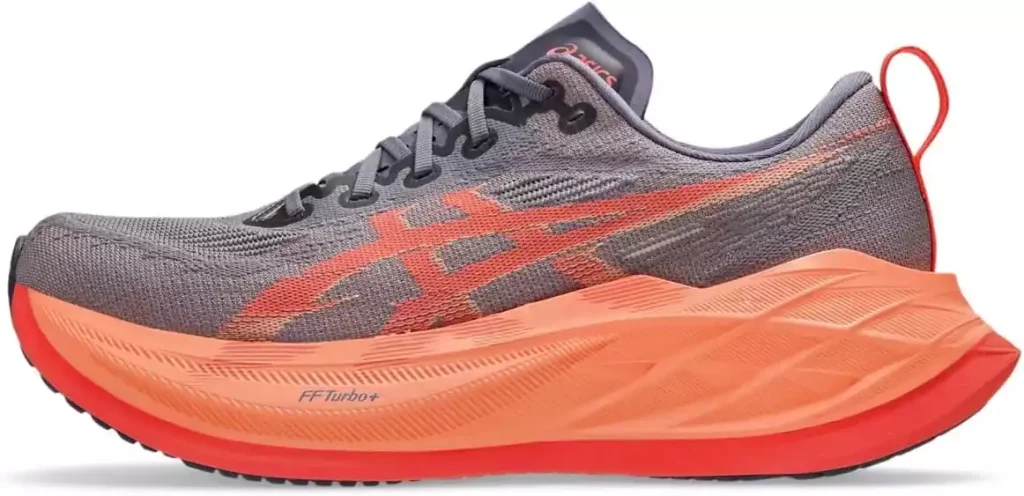
The ASICS Superblast 2 delivers a smooth, comfort-oriented performance with excellent protection for high-mileage runs. It pairs plush foam with a wide base and strong grip to make long distances feel easier. This shoe sits between a daily trainer and long-run champion, offering responsiveness without the aggressive feel of a racing plate.
Key Features:
- Mega-Stack Cushioning: A high stack of FF Turbo+ and FF Blast+ Eco foams provides plush shock absorption that protects you mile after mile.
- Responsive Ride: While soft, the foam gives strength and rebound when you pick up the pace, perfect for marathon tempo runs and easy long runs.
- Wide Stable Platform: A broad outsole delivers balanced stability and secure landings, even when fatigue sets in.
- Rubber Traction Outsole: ASICS GRIP rubber enhances traction on road surfaces and reduces wear over high mileage.
- Lightweight Feel: Despite its cushion, the shoe stays relatively light, reducing fatigue on long training days.
Why It’s Great:
The Superblast 2 is ideal for runners who want plush protection and a lively ride without sacrificing comfort. It’s especially suited for those who mix high-volume training with occasional faster runs. Its cushioning doesn’t feel mushy, and the shoe stays stable even as fatigue builds later in long runs.
Other Notable Marathon-Friendly Running Shoe
7. Brooks Ghost 17
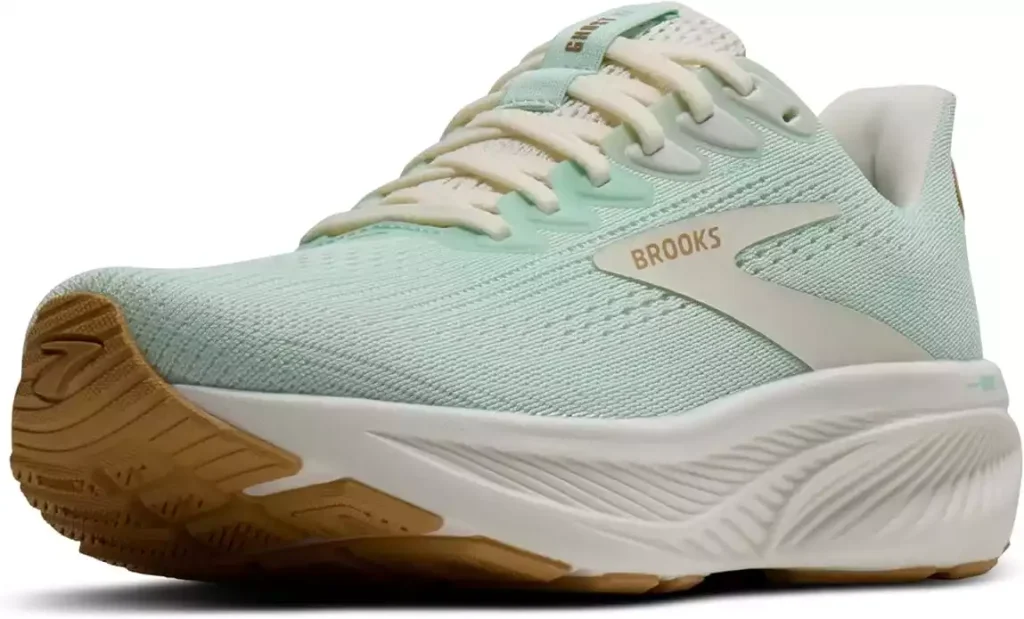
The Brooks Ghost 17 is a fan-favorite, reliable running shoe that’s widely loved for its consistent comfort and everyday performance. While it’s not a carbon-plated race shoe, it shines as a trusted daily trainer for runners doing high-mile training and long steady runs leading up to race day. Because of its balanced cushioning and smooth ride, many marathon trainers choose the Ghost 17 as an all-around workhorse that performs well at easy to moderate paces.
Key Features:
- Improved DNA Loft v3 Midsole: Nitrogen-infused foam cushions each stride while remaining relatively lightweight, providing softer landings and smoother transitions.
- Enhanced Cushioning: Brooks added extra millimeters of foam under both the heel and forefoot, increasing comfort on long runs and training days without feeling overly plush.
- Double Jacquard Air Mesh Upper: Breathable and structured, it helps keep your feet cool and secure over many miles.
- Smooth Transitions: Flex grooves in the sole promote easy heel-to-toe movement for a fluid ride from start to finish.
- Versatile Neutral Trainer: The Ghost 17 suits a wide range of runner types and training paces, making it a versatile choice for marathon prep.
Why It’s Great:
The Ghost series has built a strong reputation over years thanks to its dependable ride and universal comfort. The Ghost 17 continues that tradition, offering enough cushioning to protect joints during long runs while still providing enough responsiveness to handle moderate tempo workouts. Its balanced ride and solid stability make it a go-to choice for training blocks and weekend long runs.
FAQs About Marathon Running Shoes
How many miles should a marathon shoe last?
Most shoes last 300–500 miles. Race shoes wear faster (200–300 miles). Replace them if cushioning feels flat or the outsole is worn.
Should you use training shoes or race day shoes?
Use training shoes for daily runs and long miles, race shoes for tempo runs and the marathon. Rotating keeps legs fresh and shoes performing.
Do carbon plates help average runners?
Yes. Carbon plates improve running efficiency by 2–3 %, but beginners may notice less benefit. Best used for race day or speed workouts.
Tips to break in marathon running shoes
- Start with short runs (3–6 mi)
- Test a medium long run (6–12 mi)
- Use race-day socks
- Make sure fit is comfortable before race day
Marathon Training Tips
Training smart helps you avoid injury, stay consistent, and finish strong on race day. Here are simple, proven tips every marathon runner should follow.
1. Build Mileage Gradually: Increase your weekly miles slowly, ideally no more than about 10% more per week. This helps your body adapt and cuts the risk of overuse injuries.
2. Follow a Structured Training Plan: Plan your long runs and weekly workouts well before race day. Schedule easy, recovery days between harder sessions and stick to your weekly goals for consistency.
3. Prioritize Long Slow Runs: Run your long runs at a comfortable, slower pace; typically 30–60 seconds slower than your marathon goal pace. Building endurance matters more than speed on these runs.
4. Add Strength & Cross‑Training: Include strength exercises (like squats, lunges, core work) and cross‑training (cycling, swimming) 1–2 times a week. This boosts muscle strength, improves running efficiency, and reduces injury risk.
5. Warm Up, Cool Down & Recover: Always warm up before and cool down after runs. Prioritize recovery; rest days, stretching, foam rolling, and sleep help your muscles rebuild stronger.
6. Listen to Your Body: If you feel excessive fatigue, aches, or pain, take it easy or rest. Pushing through persistent pain can lead to costly injuries.
7. Practice Hydration & Nutrition: Train with the hydration and fuel plan you plan to use on race day. Use sports drinks and gels on long runs so your stomach adapts to them.
8. Taper Before Race Day: In the final 2–3 weeks before your marathon, reduce your weekly mileage and long run distance. This helps your body fully recover and perform at its best on race morning.
9. Train with Others: Running with a partner or group helps keep you motivated and accountable during tough weeks.
Following these tips will make your marathon training smoother, more effective, and safer. Whether you’re a first‑timer or experienced runner, smart preparation improves every step of your race journey.
When training through winter or cold weather, see our Best Running Gloves for Cold, Wet & Winter Runs guide to stay comfortable.
Conclusion
Choosing the right marathon running shoes can make a big difference in how your training and race feel. The shoes in this guide are some of the top‑rated and best‑selling options on Amazon in 2026, chosen for comfort, performance, and runner feedback.
If you want speed and personal bests, shoes like the Nike Alphafly 3 and Saucony Endorphin Pro 4 are built for race day. For everyday training and long runs, dependable options like the Nike Pegasus 41 and Brooks Ghost 17 provide the cushioned support you need to stay strong week after week. Runners new to the marathon can find great balance in the New Balance FuelCell Rebel v5, while comfort seekers will love the plush rides of the Nike Vomero Plus and ASICS Superblast 2.
No matter your pace, goal, or experience level, there’s a shoe here that can help you train smarter and run more comfortably. Remember to pick shoes that feel right on your feet, match your training needs, and give you confidence for your marathon journey. Now lace up, plan your training, and go chase that finish line!
Loved this marathon shoe guide? Visit our Running category for more tips, gear reviews, and expert running advice.