In basketball, the spotlight doesn’t always fall on the player who scores. Sometimes, the real magic comes from the one who sets up the play. That’s where assists make their mark.
An assist is more than just a simple pass. It shows a player’s vision, timing, and unselfish mindset. Whether it’s a crisp bounce pass between defenders or a creative no-look feed during a fast break, assists are key to a team’s success.
For casual fans, assists highlight teamwork in action. For players, they reflect smart decision-making and strong court awareness. And for youth coaches, they offer a great teaching moment. Sharing the ball not only builds trust, it often leads to better plays and more wins.
While they may not always grab headlines, assists are the quiet force that keeps the game flowing and the team connected.
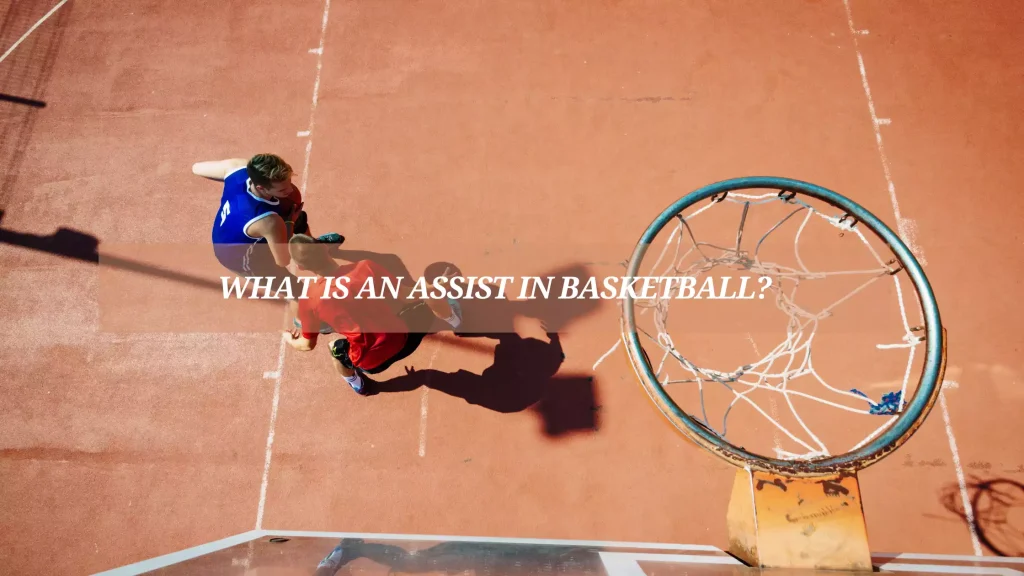
What Is an Assist in Basketball?
At first glance, an assist in basketball might seem pretty simple. It’s a pass that leads directly to a made basket. However, there’s more to it than meets the eye.
Different leagues define assists in slightly different ways. What counts as an assist in the NBA may not be the same in FIBA or in youth basketball leagues. These differences can impact how stats are recorded, how players develop their skills, and what coaches emphasize during games.
Still, the core idea stays the same across all levels of play. An assist happens when a player makes a pass that leads to an immediate or nearly immediate score. The challenge lies in how each league interprets the word “immediate.” Some allow a few dribbles or movements before the shot, while others require the basket to follow almost instantly after the pass.
In every case, an assist reflects a player’s vision, timing, and willingness to support the team. It’s a reminder that scoring isn’t just about who puts the ball in the hoop, but also about who helped make it happen.
Number of Dribbles Allowed
Assists can be a bit tricky to define, especially when the scorer takes a few dribbles after receiving the ball. So, how many dribbles are allowed before the play no longer counts as an assist?
In the NBA, players are typically allowed to take up to two or three dribbles after catching a pass. It still counts as an assist if those dribbles don’t involve significant individual effort, like weaving through defenders or creating the shot entirely on their own. The key is that the pass must clearly lead to the score.
Under FIBA rules, things are a bit more strict. The player is expected to shoot with little to no dribbling. If they take several dribbles or create too much of the opportunity themselves, the assist likely won’t count.
In youth and recreational leagues, scorekeepers tend to be more lenient. They often give credit for assists even when the receiver takes multiple dribbles before scoring. This approach helps encourage teamwork and unselfish play.
Example: Imagine a player catches a pass, takes one quick dribble to step into a better position, and then sinks a jump shot. That’s almost always recorded as an assist because the pass directly led to the basket.
One-Pass Rule
Not every pass in a basketball play gets credit. Only the one that directly leads to a made basket is recorded as an assist.
Let’s make that clearer with a quick example.
If Player A passes to Player B, and Player B then passes to Player C, who scores, only Player B receives the assist. That’s because only the final pass before the shot counts.
So, does it have to be a direct pass to the shooter?
Yes, it does. The pass must lead straight to the shot attempt without any hesitation or extra moves.
Example: Picture a player making a quick bounce pass to a teammate cutting toward the hoop. The teammate catches it in stride and finishes with a smooth layup. That’s a classic assist, simple and effective.
Assists on Free Throws
In the NBA, an assist is only credited if the player who receives the pass is fouled and still manages to score the basket. This type of play is often called an “and-one.” If the player is fouled and doesn’t make the shot, instead going to the free throw line, then no assist is awarded. The logic here is simple: the pass did not directly result in a made basket.
In FIBA play, the rules are similar, but there’s a bit more room for interpretation. Some scorekeepers may choose to credit an assist if the pass clearly set up a high-percentage shot, even if the player was fouled and missed. This approach allows a bit more flexibility based on the intent and quality of the pass.
At the youth level, the system is often even more relaxed. The goal is usually to encourage teamwork and good passing habits. As a result, scorekeepers might award assists more generously, even if the shot doesn’t go in or the player ends up shooting free throws.
To sum it up, free throws typically do not count as assists. However, if the basket is made despite the foul, then an assist can be recorded. Outside of the NBA, there may be some exceptions based on the level of play and the judgment of the scorekeeper.
Why Are Assists Important in Basketball?
Assists are more than just numbers on a stat sheet. They show how a team functions, communicates, and competes together. At their core, assists represent unselfishness, rhythm, and smart execution on the court.
The Heart of Teamwork
When a player delivers a perfect pass that leads to a basket, it’s more than just a good play. It reflects trust and chemistry between teammates. These moments highlight how well players understand each other’s movements and intentions.
Teams that average a high number of assists per game are often among the best-performing in the league. For example, the Golden State Warriors and the Denver Nuggets have regularly ranked high in assists and wins during their most dominant seasons. This shows that strong passing often leads to consistent success.
More Than Individual Brilliance
In today’s game, one-on-one plays and isolation scoring get a lot of attention. However, assists shift the focus back to teamwork. While star players can create their own shots, it’s the playmakers who truly elevate the entire team.
Players like Chris Paul and Steve Nash made their careers by improving the performance of those around them. Their court vision and ability to set up teammates resulted in highly efficient offenses and made them leaders on the floor.
A Key Part of Strategy
Assists are not just spontaneous moments. Coaches often design entire offensive systems to encourage ball movement and create assist opportunities. Whether it’s the motion offense, the pick-and-roll, or the classic triangle offense, these strategies rely heavily on passing.
Quick and well-timed passes disrupt defensive setups, create open shots, and improve overall team efficiency. The more the ball moves, the harder it becomes for defenders to keep up, leading to better scoring chances and more wins.
Ideas to Increase Assists on Your Team
Looking to improve your team’s ball movement and scoring efficiency? One of the most effective yet often overlooked ways to elevate team play is by increasing assists. In youth basketball, where early habits shape long-term growth, teaching players how to pass well can build both winning teams and strong teammates.
Here are some practical, game-tested strategies to help your players move the ball better, create more scoring chances, and truly understand the value of teamwork.
1. Celebrate the Pass, Not Just the Points
Scoring may grab the headlines, but the assist is often what makes the play happen. Start by building a team culture that recognizes and rewards unselfish play.
Pro tip: During team meetings or after games, highlight players who made smart, selfless passes, not just those who scored the most points. You can also give a shoutout to assist leaders during practice or in team chats.
Tip: Put up a stat board that tracks assists alongside points scored. This visual cue helps players see that great passing is just as important as putting the ball in the hoop.
2. Build Confidence with Ball-Handling Drills
Strong passers are first confident ball handlers. When players feel comfortable dribbling under pressure and keeping their heads up, they become better at reading the court and spotting open teammates.
Incorporate ball-handling drills into your daily routines and keep them engaging.
Drill idea: Try two-ball dribbling with vision training. Have players dribble with both hands while responding to signals or cues from a coach. This helps improve awareness and control at the same time.
3. Mix Up Your Passing Drills
Passing is a skill that improves with variety. Teach your players different types of passes such as chest, bounce, overhead, no-look, and behind-the-back. The more options they have, the more creative and effective they’ll be on the court.
Use drills that reflect real-game situations to help players apply their skills under pressure.
Drill ideas:
- Run a 3-man weave to develop timing and flow
- Organize full-court passing relays to boost accuracy and speed
- Set up pick-and-roll scenarios to work on decision-making during movement
4. Don’t Forget the Finish
An assist only counts if the teammate scores. That’s why finishing is just as important as the pass itself. Make sure your players are confident in turning a good pass into points.
Help them improve at finishing layups, catch-and-shoot jumpers, and quick cuts to the basket.
Drill idea: Use drive-and-kick drills where one player drives and passes, and the other finishes under pressure. You can also run pass-and-layup drills to simulate fast-paced scoring chances.
Teamwork Wins Games, and It All Starts with the Pass
Focusing on assists does more than improve ball movement. It helps build a team-first mindset that leads to smarter plays and stronger chemistry. When players trust each other and move the ball well, great things happen on the court.
What Positions Get the Most Assists in Basketball?
When you think of assist leaders in basketball, point guards usually come to mind first, and that makes sense. They’re often the ones running the offense, setting up plays, and keeping things moving. But the truth is, great passing isn’t limited to just one position on the court.
Let’s take a closer look at how different positions contribute to ball movement and playmaking:
- Point Guards (PG): These players are the primary facilitators of the game. They’re often seen directing traffic, reading defenses, and delivering smart passes. Legends like Chris Paul and Magic Johnson built their careers on their ability to create opportunities for teammates.
- Shooting Guards (SG): While they’re usually known for their scoring, many shooting guards also take on secondary playmaking duties. James Harden is a great example of a player who can rack up both points and assists, thanks to his court awareness.
- Small Forwards (SF): Small forwards are often some of the most versatile players on the court. Take LeBron James, for example. He may be listed as a forward, but his vision and passing skills are on par with any elite point guard.
- Centers (C): In today’s game, even centers are becoming key playmakers. Players like Nikola Jokic have shown that big men can dominate not just by scoring in the paint, but also by finding open teammates and creating mismatches with their passing ability.
This wide range of contributions shows that basketball IQ and vision aren’t limited to just one position. Whether it’s a guard, forward, or center, any player with strong awareness and creativity can be a playmaker.
Real-World Examples of Assists
Player A dribbles toward the defense, attracting attention. Just before the defenders close in, Player A passes the ball to Player B, who catches it and immediately takes the shot. The ball goes in.
This is a clear example of an assist. The pass directly set up the score, with no extra moves or delay from Player B. It’s the kind of smooth, quick play that earns credit for the passer in the stats.
Now let’s look at a situation where an assist would not be given.
Imagine Player A passes the ball to Player B, but instead of shooting right away, Player B takes several dribbles, uses a fake to shake off a defender, and performs a complex move before finally scoring.
In this case, the pass doesn’t qualify as an assist. Too much happened between receiving the ball and scoring. The points are more a result of Player B’s individual effort than the pass itself.
For a pass to count as an assist, it needs to lead directly to a basket with minimal effort in between. If the player who receives the ball makes significant moves before scoring, the assist credit is typically not awarded.
Conclusion
If you’ve ever watched a great basketball team in action, you’ve likely noticed the magic of a well-timed pass that leads to an easy basket. That’s an assist, and it’s more than just a number on the stat sheet.
Knowing what qualifies as an assist is important for coaches, players, and fans alike. Whether it’s a neighborhood youth game or a professional NBA matchup, assists reflect unselfish play, smart decision-making, and strong team chemistry.
So, why are assists such a big deal?
They show how well a team works together. Good passing leads to better shots, more efficient offense, and a stronger connection between teammates. In many ways, assists represent the flow and spirit of the game.