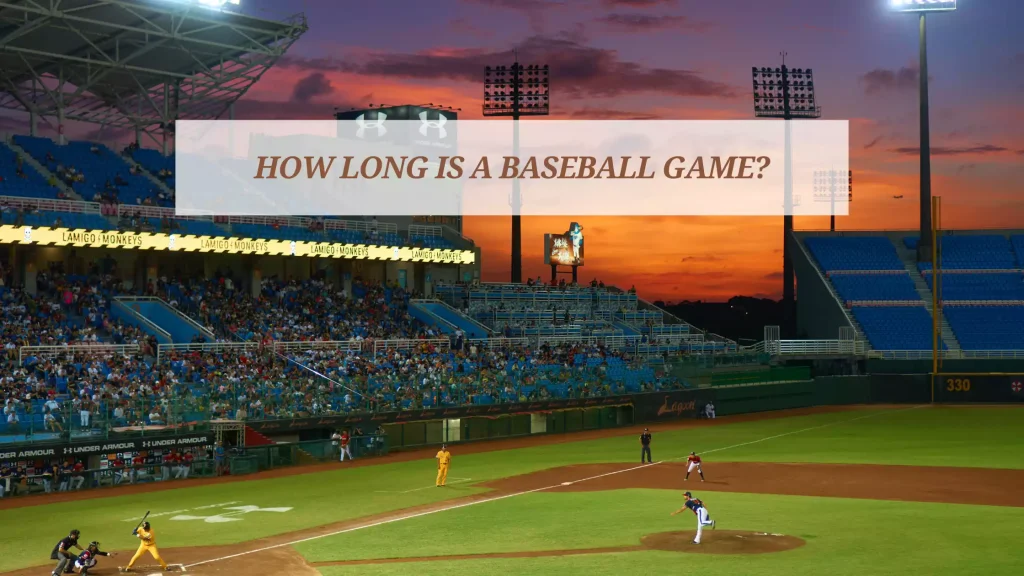
Baseball is a timeless sport loved by millions, but one common question remains: How long does a baseball game last? Whether you’re gearing up for your first game at the ballpark or planning a watch party at home, knowing the typical game duration can help you schedule your time effectively.
Unlike many other sports, baseball doesn’t have a game clock, which means the length can vary based on factors like extra innings, pitching changes, and even new MLB rule updates. In this guide, we’ll break down the average game time across different levels—MLB, college, and minor leagues—and explore the key elements that impact how long a game lasts.
By the end of this post, you’ll have a clear understanding of baseball game durations, so you’ll never be caught off guard by an extra-long matchup!
What Is the Average Length of Professional Baseball Games?
The average length of an MLB game has traditionally ranged between 2.5 to 3 hours, though recent rule changes have aimed to speed up play. Factors such as pitching changes, extra innings, and pace-of-play rules all impact game duration.
Over the past decade, MLB games have gradually gotten longer, with the average time reaching 3 hours and 10 minutes in 2021. However, the introduction of the pitch clock and other rule changes has helped shorten game durations.
- Regular Season Games: Typically last between 2 hours 30 minutes and 3 hours.
- Playoff Games: Often exceed 3.5 hours due to more pitching changes, longer commercial breaks, and higher-stakes decision-making.
Thanks to rule adjustments, the average MLB game in 2024 is now around 2 hours and 35 minutes, marking a noticeable decrease from previous seasons. However, playoff games remain longer, averaging 3 to 3.5 hours, especially in later rounds.
As MLB continues refining its rules, game lengths may further evolve, making baseball more fast-paced and engaging for fans.
Factors That Affect the Length of a Baseball Game
Several elements influence how long a baseball game lasts. From gameplay dynamics to external interruptions, these factors contribute to the overall runtime.
Pre-Game Activities
Before the first pitch, ceremonies, national anthems, player introductions, and special presentations can extend the pre-game timeline. While these events enhance the fan experience, they can add several minutes to the game’s total duration, especially for significant matchups or special occasions.
Pitching Pace and Strategy
Pitchers play a crucial role in game length. A fast-working pitcher can speed up innings, whereas slower-paced pitchers or those who frequently check runners can slow the game down. Additionally, the number of pitching changes affects the runtime—each new pitcher requires warm-up time, strategic discussions, and mound visits, all of which add minutes to the game.
Offensive Approach
Teams with an aggressive offensive style—swinging early in counts and avoiding long at-bats—tend to keep games shorter. In contrast, teams that work deep counts, draw walks, or emphasize small-ball tactics (like bunting and stealing bases) can prolong innings and extend game time.
Scoring and Inning Length
Games with high scores generally take longer because they involve more at-bats, base runners, and potential pitching changes. More runs lead to extended innings, increasing the total playtime. Low-scoring games, with quick three-up-three-down innings, usually wrap up faster.
Frequent Pitching Changes
A game with frequent pitching substitutions often runs longer. Each pitching change includes time for warm-ups and strategic adjustments, adding several minutes to the overall game length. This is especially common in close games where managers rely on bullpen matchups.
Commercial Breaks and TV Broadcasts
For televised games, commercial breaks occur between innings and during pitching changes, adding extra time to the game. While these breaks are standardized, they can extend game length, especially in postseason or nationally broadcast games with longer ad slots.
Crowd Influence and Game Flow
While a large crowd doesn’t directly extend game length, fan interactions, extended celebrations, or disruptions can cause brief delays. High-energy games with intense moments may lead to longer breaks between pitches or innings as players take extra time to refocus.
Weather and Field Conditions
Rain delays, excessive heat, and poor field conditions can cause stoppages ranging from a few minutes to several hours. In severe cases, games may be postponed and resumed on a later date, significantly impacting the overall timeline.
Umpire Reviews and Challenges
Instant replay reviews and umpire discussions can add several minutes to a game. While intended to ensure accurate calls, these reviews can lead to lengthy pauses, particularly in critical situations. The more challenges and close calls, the longer the game takes.
Extra Innings
If a game remains tied after nine innings, extra innings are played until a winner is determined. This can significantly extend game length, as each additional inning requires more at-bats, defensive plays, and potential pitching changes. Some extra-inning games have stretched far beyond the standard runtime, making them among the longest games in history.
Evolution of Baseball Game Length
Baseball game durations have evolved significantly over the years, influenced by rule changes, playing styles, and game pace. Decades ago, games typically lasted around 2 hours and 30 minutes, but as strategies became more complex and commercial breaks increased, the average length stretched to nearly 3 hours by the early 2000s.
The longest recorded average came in 2021, with games lasting 3 hours and 11 minutes. However, in an effort to speed up play and enhance fan engagement, Major League Baseball introduced pace-of-play initiatives, including the pitch clock. These adjustments had an immediate impact, reducing average game times to 2 hours and 40 minutes in 2023.
Looking ahead, this trend continues. By 2024, the average game time is projected to be 2 hours and 35 minutes, marking one of the most significant reductions in recent history. These changes reflect baseball’s balance between preserving tradition and adapting to modern viewing preferences.
Conclusion
So, how long does a baseball game last? While the average game falls between 2.5 to 3 hours, numerous factors—such as pitching changes, team strategies, weather, and extra innings—can extend or shorten play. Playoff games, where every pitch matters, often run even longer.
Ultimately, the beauty of baseball lies in its unpredictability. Whether you’re watching a fast-paced youth game or a tension-filled MLB showdown, each game unfolds at its own rhythm. More than just a clocked event, baseball is about the moments, the strategy, and the thrill of the unexpected. However long it lasts, it’s always just enough to keep fans coming back for more.